How to Choose the Right Cleanroom Panel Core Material
Rock wool, PU, phenolic or honeycomb — the core decides fire safety, strength, weight and price. Here is how to match it to your project.
Rock wool, PU, phenolic or honeycomb — the core decides fire safety, strength, weight and price. Here is how to match it to your project.
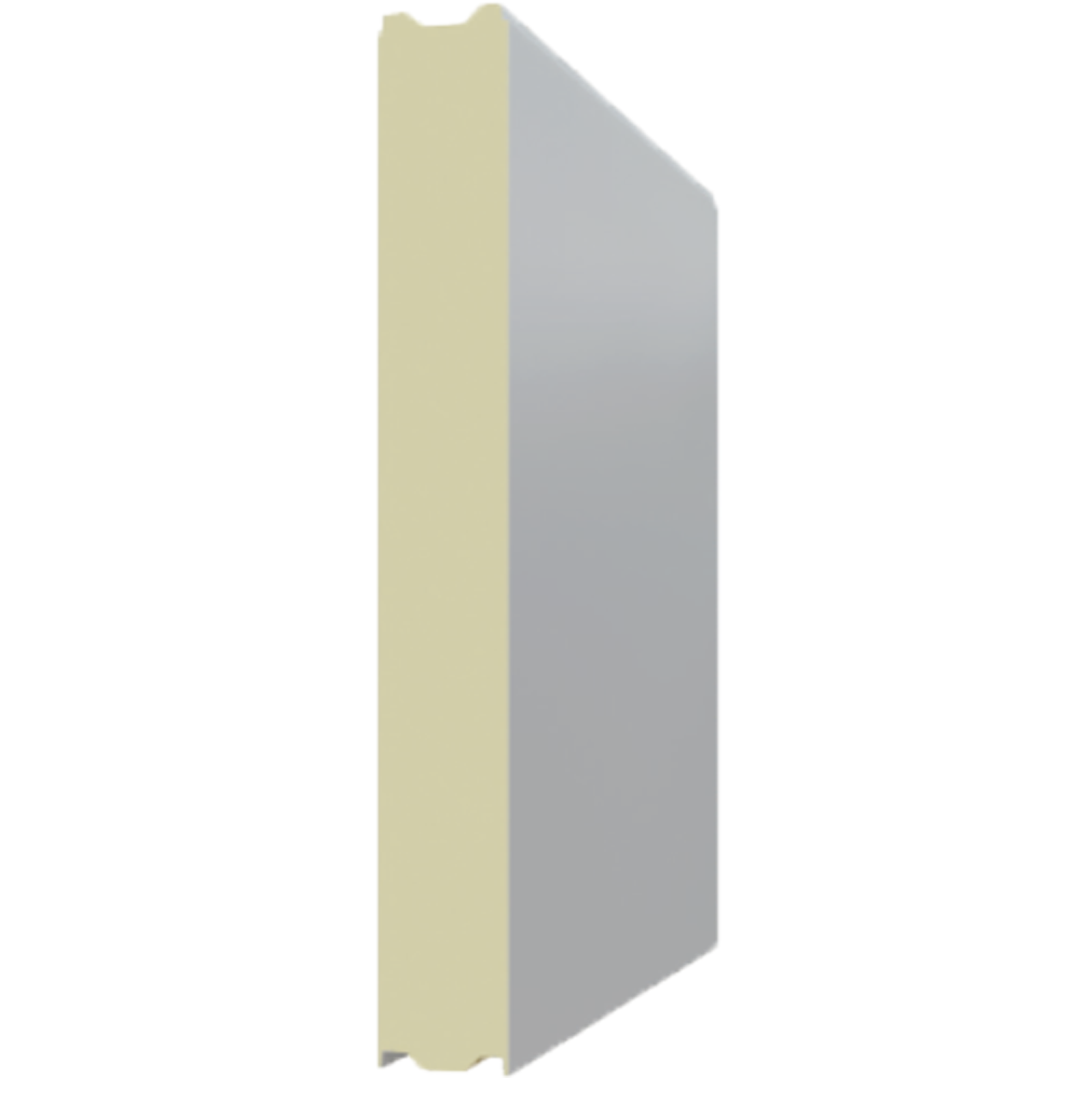
Every cleanroom sandwich panel is built the same way on the outside — two steel faces around a core — but the core is what really defines the panel. It decides how the panel behaves in a fire, how well it insulates, how flat it stays, how heavy it is, and how much it costs. Choosing the wrong core is the most common (and most expensive) mistake in cleanroom planning, so it is worth spending ten minutes on this before you order.
Rock wool is a non-combustible mineral fiber core rated A2 — the highest practical fire class for this kind of panel. It does not burn, does not produce significant smoke, and acts as a sound barrier too. This makes it the first choice for GMP pharmaceutical plants, hospitals, and any project where the fire code is strict. The trade-off: rock wool panels are heavier than foam panels and slightly less insulating per millimeter. If your project is a pharma workshop with a demanding fire inspector, choose rock wool and do not look back.
Polyurethane (PU) and PIR foam cores give the best thermal insulation per millimeter of any common core, with a closed-cell structure that keeps water out. PU panels are lighter than rock wool, cheaper per square meter, and ideal for cold storage enclosures, food plants and budget workshops where insulation matters more than extreme fire ratings. PIR is the upgraded version with better fire performance (B1) at a small cost premium. If you are building a cold room or a temperature-controlled line, PU/PIR is usually the right call.
Phenolic foam is the safest foam option where fire matters: it is difficult to ignite (B1), produces extremely low smoke and almost no dripping when burned. That makes it the standard choice for hospital operating rooms, ICU, laboratories and high-class cleanrooms where evacuation routes must stay visible. Phenolic panels are a little more expensive than PU but still lighter and cheaper than rock wool. For sterile areas with a B1 requirement, phenolic hits the sweet spot.
Aluminum or paper honeycomb cores are the lightest and flattest option, with excellent dimensional stability — the panel stays perfectly straight even over long lengths. Honeycomb panels are the premium choice for high-end cleanroom walls where flatness and aesthetics matter, often with MgO or gypsum faces for an even smoother surface. They are less insulating than foam, so they are normally used in climate-controlled buildings rather than cold rooms.
| Project situation | Recommended core | Why |
|---|---|---|
| GMP pharma, strict fire code | Rock wool (A2) | Non-combustible, passes audit |
| Cold storage, budget workshops | PU / PIR | Best insulation per cost |
| Operating rooms, labs, B1 foam needed | Phenolic | Low smoke, hard to ignite |
| High-end walls, maximum flatness | Honeycomb + MgO face | Ultra-flat, light, premium look |
The right core depends on your cleanroom class, your local fire code, and your budget. Tell us those three things and we will recommend a core, quote the exact specification, and explain the difference in plain numbers — thermal conductivity, fire rating, weight per square meter and price. A wrong choice costs far more than a few minutes of asking.
We will recommend the right core and quote it with exact specifications.
Ask for a Recommendation